How to Price Your AI Agent (And Why ‘Agent as Employee’ is a Trap)
AI agent pricing is breaking every SaaS playbook. A builder’s guide to per-seat, per-token, and outcome-based models, plus why ‘agent as employee’ is a trap.
AI agents are changing what products can do — and what PMs need to know. This category covers agentic AI, automation, and the practical questions product managers face before they ship: what to trust, what to watch out for, and how to think about AI as a product capability rather than a magic feature.
AI agent pricing is breaking every SaaS playbook. A builder’s guide to per-seat, per-token, and outcome-based models, plus why ‘agent as employee’ is a trap.
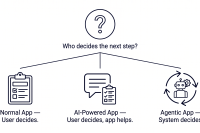
Agentic app or AI-powered app? One question separates three kinds of apps, and most teams build the wrong one. Who decides the next step: user, app, or system?
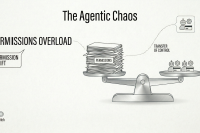
AI agents accumulate permissions, hallucinate completed tasks, and nobody’s watching. A PM’s guide to agentic AI security risks your team isn’t tracking.
Generative AI promises to revolutionize industries, but its true value lies in enhancing existing products rather than standing alone. Successful AI integrations, like Netflix’s recommendations or Google Docs’ Smart Compose, subtly improve user experiences. Standalone AI products often over-promise and under-deliver, lacking the nuanced understanding needed for real-world use. Product managers should focus on integrating AI as a supportive feature, addressing specific user needs to make tools smarter, faster, and more user-friendly without overshadowing their core value.